




Are you facing roofing challenges due to the North East’s unpredictable weather?
Below, we explore five roof maintenance tips for the UK’s weather issues, from everyday repairs to managing weather-induced damage.
Boasting over thirty years of experience in the roofing sector, our knowledge is in actual installations and repairs throughout the North East.
We do this stuff for real!
We can tell you first-hand that prevention is always cheaper than a roof replacement.
We’re not just familiar with the region’s weather patterns; we’ve tackled them head-on, understanding their impact on your property and business premises.
We provide practical, actionable advice designed to help you out this winter ensuring your roof withstands the less than great weather conditions of the North East.
Before starting these roof maintenance tasks, please ensure you have the right tools; safety is the priority.
Tip 1: Regular Roof Inspection
It’s essential to conduct routine checks to catch early signs of wear and tear, saving you from costly repairs and prolonging your roof’s life.
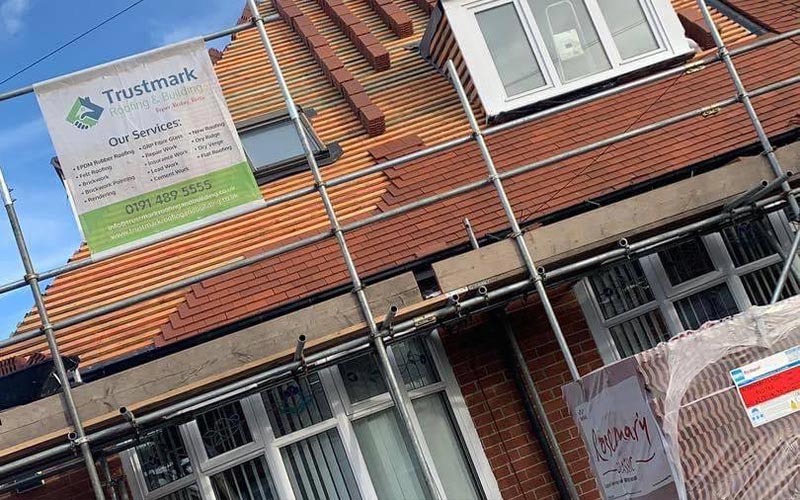
When inspecting, examine for loose or missing tiles, check for wear around chimneys and vents, and ensure that your gutters are debris-free.
These are the first three things a professional roofer would check.
Tip 2: Deal with Leaks and Water Damage
Be extra vigilant for water stains or damp spots in your attic and ceilings, as early detection of leaks is essential to prevent them from escalating into major repairs.
Regularly inspect your attic, using a torch to check around roof valleys, chimneys, and vents where leaks commonly start.
After storms, check your roof quickly to catch any new vulnerabilities. If you notice any dark spots on wood, mould, or musty smells, these could be subtle signs of a leak.
As a temporary measure, you can minimise damage with roofing tape or a tarp until proper repairs are made.
Remember, the leak source might not be directly above a ceiling stain, so it’s essential to investigate thoroughly.
If you find evidence of a leak, act quickly to avoid further damage.
Small leaks can lead to more significant problems, like weakened roof structures and mould growth.
A DIY fix might suffice for minor issues, but don’t hesitate to call a professional for more complex problems.
Regular maintenance and prompt action are crucial to keeping your roof in top condition and protecting your home.
Tip 3: Repair and Replace Tiles and Slates
Precision and attention to detail are essential when replacing damaged tiles or slates on your roof.
Start by gently removing the damaged piece to avoid disrupting the surrounding area.
Handling this step with care is crucial, as any additional damage can escalate the need for repair work.
Once removed, measure the space accurately and select a new tile or slate that matches perfectly in size.
This ensures a snug fit, which is essential for maintaining the watertight integrity of your roof.
When securing the new piece, use the appropriate nails or clips, and ensure it sits flush with the surrounding tiles or slates.
It’s not just about plugging a gap; it’s about restoring a continuous, unbroken surface that can effectively repel water.
Moreover, achieving a visually seamless repair is as important as the technical aspects.
Take the time to find tiles or slates that match the existing ones in colour and material.
This might involve sourcing from specific suppliers or even looking into reclaimed materials for older roofs.
The aim is to ensure that the repair blends in, maintaining the aesthetic appeal of your roof.
Remember that new tiles might initially stand out due to weathering differences, but over time, they should blend in more naturally.
Free No Obligation Quote
Navigating the North East’s challenging weather? Ensure your roof is up to the task with expert roof repairing service for North East homes. Prestigious accreditations and genuine customer feedback back our award-winning services and family-run firm. Click for a free, no-obligation quote and safeguard your property against the elements.
Tip 4: Maintain Flashing and Vents
Maintaining your roof’s flashing and vents is crucial for its health and effectiveness.
Flashing, the material used to seal and protect the joints in your roof, is especially vulnerable to damage.
Check these areas frequently for any signs of cracking, rusting, or lifting, which can lead to leaks.
If you spot any issues, address them immediately; sometimes, a bit of roofing cement can fix minor problems, but larger issues may require replacing sections of the flashing.
Pay close attention to the flashing around chimneys, skylights, and where the roof meets walls, as these are common points for water intrusion.
Vents also play a vital role in maintaining the health of your roof by allowing air circulation, which helps to prevent moisture buildup and heat accumulation in your attic.
Ensure that debris, bird nests, or other obstructions do not block these vents.
Check the vent covers for damage or wear, and replace them if necessary to keep your roof’s ventilation system working effectively.
Regular maintenance of flashing and vents helps prevent water damage and extends the life of your roof by ensuring proper airflow.
Tip 5: Clean Debris and Maintain Gutters
Clearing clogged gutters is one of the most effective ways to safeguard your home against water damage.
Gutters play a crucial role in directing rainwater away from your roof and the foundations of your house.
Regular gutter cleaning is essential; leaves, twigs, and other debris can quickly accumulate, especially during autumn and after storms, leading to blockages.
These blockages can cause water to overflow and seep into your roof or walls, potentially causing significant damage.
During your regular roof cleaning, remove all debris and flush the gutters with water to check for proper flow.
To maintain your gutters, schedule regular cleanings at least twice a year and more frequently if tree branches surround you.
Pay special attention to the downspouts as well; ensure they are clear of obstructions and are directing water away from your home’s foundation.
This is crucial in preventing soil erosion around the house and avoiding basement flooding.
Additionally, inspect your gutters for any signs of damage, such as cracks or sagging – these can also impede water flow and lead to more significant roofing repairs.
While gutter maintenance can often be DIY, homeowners should consider hiring professionals if their roof is exceptionally high or the gutters are heavily soiled. Working from a ladder at a height is not safe.
What are common types of roof damage in the uK?
Wind and Storm Damage
Our region’s strong winds can unsettle tiles and slates, leading to leaks and structural issues. Post-storm checks are essential to identify and rectify any dislodgement.
Rain and Moisture Damage
Frequent rains in our climate increase the risk of water infiltration, especially in roofs that have already sustained damage. Regular roof inspections are key to early detection of moisture-related issues.
Freeze-Thaw Cycles
The temperature fluctuations in our area cause materials to expand and contract, gradually weakening the roof. Monitoring the roof’s condition after periods of cold weather is essential.
Moss and Algae Growth
The damp conditions foster moss and algae growth, which can retain moisture and accelerate the wear of roofing materials. Regular cleaning is vital to prevent this accumulation.
Roofing Maintenance Recap
So, we’ve dived deep into the nitty-gritty of roof repair, especially with our tricky weather in mind. Here’s the lowdown: Regular check-ups on your roof’s are essential.
We’ve covered how to spot and sort out common headaches like leaks and water damage and why keeping your gutters in tip-top shape is crucial.
Knowing when you can have a go at DIY fixes on your property and when it’s a smarter move to ring up the pros. Plus, we’ve highlighted some fancier repair techniques for the trickier problems.
But it’s not just about fixing what’s broken right now. We’re discussing looking after your roof so it stays solid for years.
That means using these roofing maintenance tips to stop minor problems from turning into big, wallet-draining ones.
And remember, a roof that’s in good nick isn’t just about keeping the rain out.
It’s also about keeping your home safe and snug, and saving a few quid on heating bills.
So, to wrap it up, This guide’s all about giving you the know-how to keep your roof in great shape. It’s about understanding repairs, regular maintenance, and knowing when to call in the experts before you require a roof replacement.
Our aim? To help you look after your roof so it can keep doing its job against whatever the weather throws at it.
For more roofing tips, make sure to check out our blog.


